

In this fast-paced environment, the pursuit for individual and career achievement often seems daunting. This is where life coaching emerges as a powerful tool, guiding individuals towards discovering their capabilities and fulfilling their goals. No matter if you are seeking to enhance your career, improve your choices skills, or increase confidence, the appropriate coaching techniques can enable you to make meaningful changes in your life. Life coaching is more than about overcoming obstacles; it is about fostering growth in various domains, from self-improvement to business coaching.
Life coaches are equipped with a diverse set of skills that can help you navigate challenges and seize opportunities. With a focus on areas such as leadership skills, planning strategies, and emotional awareness, these experts can provide the guidance you need to succeed in both your individual and professional endeavors. As we investigate the various techniques and strategies involved in effective coaching, you will uncover how spending in yourself through coaching can lead to better employee engagement, performance improvement, and even set the stage for a fulfilling retirement through projects like Grand Slam Retirement. Whether you are on the brink of launching a business or looking to boost your existing career, this guide will shed light on the path towards achieving your ambitions.
Grasping the Concept of Life Coaching
This coaching approach is a transformative process designed to assist individuals in reaching their individual and career goals. A life coach partners collaboratively with clients to determine their desires, surmount obstacles, and create practical plans for success. This path often includes improving self-awareness, clarifying values, and building skills that facilitate growth. Through powerful questioning and focused guidance, coaches encourage individuals to utilize their potential and drive substantial change in multiple aspects of their lives.
The principles of life coaching span beyond individual development; they include business coaching, career growth, and leadership development. Coaches utilize multiple techniques to support clients in dealing with challenges in both personal and professional realms. Whether focused on boosting decision-making skills, fostering emotional intelligence, or enhancing confidence, successful coaching enables a comprehensive approach to success. This adaptability makes life coaching applicable to those seeking progress in areas ranging new ventures to efficiency improvement within organizations.
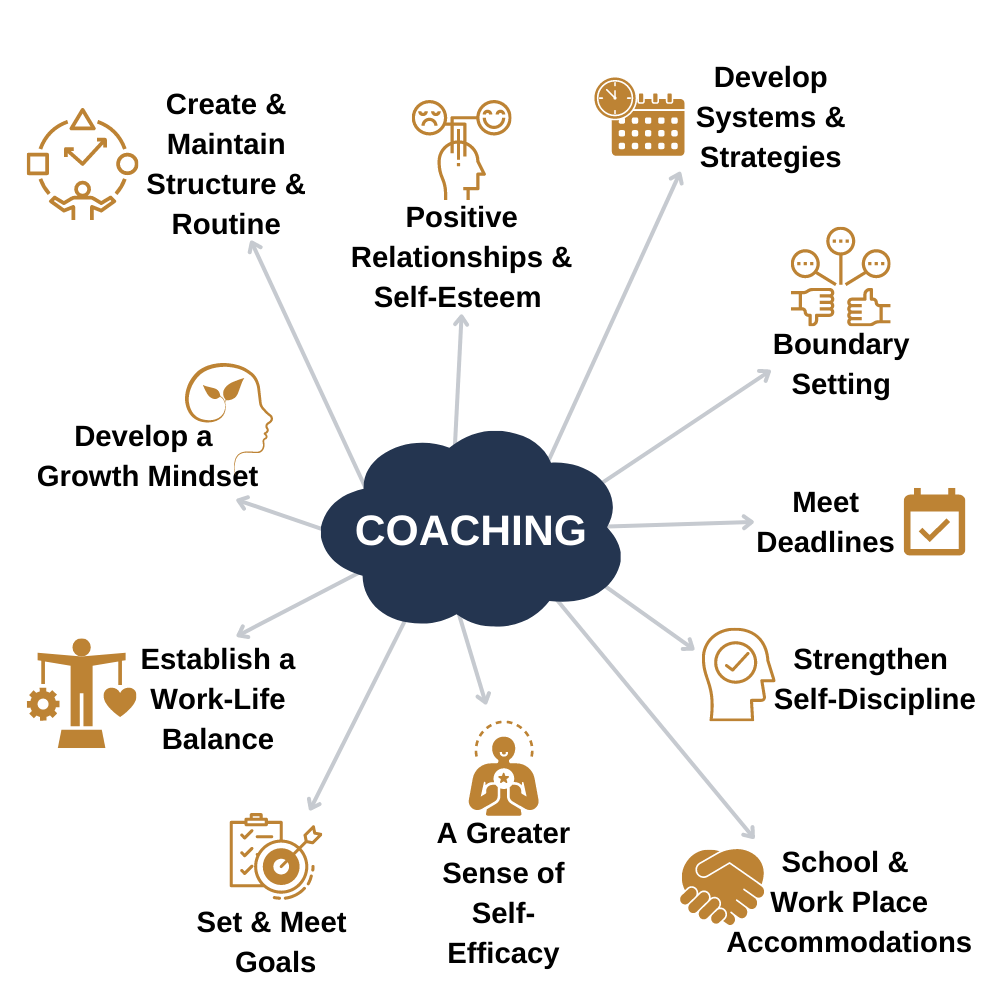
Ultimately, the objective of life coaching is to arm clients with the tools and strategies needed for enduring success. By focusing on goal setting, time management, and resilience training, individuals learn not only to achieve their present targets but also to build sustainable habits that add to ongoing personal and professional growth. As a result, life coaching serves as a crucial resource for individuals looking to enhance their quality of life and drive meaningful results in their careers.
Key Techniques for Personal Growth
Self-improvement is an crucial aspect of life coaching and can significantly impact both personal and career success. One impactful technique is mindfulness coaching, which emphasizes being present and fully engaged in the moment. This method helps people develop self-understanding and emotional awareness, allowing them to grasp their feelings and emotions better. By practicing mindfulness, people can make well-informed decisions and enhance their overall happiness.
Another key technique is goal setting, which provides a defined framework for people to define their dreams. By creating clear, measurable, achievable, relevant, and deadline-oriented (SMART) goals, individuals can decompose their aspirations into attainable steps. This structured approach not only inspires people but also enables them to monitor their advancement, adjusting as necessary. Setting goals fosters a sense of direction and direction, essential for career growth and individual development.
Building self-esteem through resilience training is also important to self-improvement. This technique equips people with the skills to overcome challenges and tackle difficulties. By learning to accept setbacks as opportunities for improvement and development, people can bolster their resolve and maintain a positive mindset. Building resilience not only enhances decision-making skills but also promotes a forward-thinking approach to crisis management, crucial for both individual and career achievements.
Business and Leadership Guidance Approaches
Company and corporate coaching focus on improving leadership effectiveness and promoting corporate success. A crucial approach entails defining clear, actionable goals that match both individual and organizational objectives. Mentors work with individuals to pinpoint these targets and develop personalized strategies. By using strategies such as SWOT analysis, mentors help clients comprehend their capabilities, weaknesses, potential, and challenges, enabling them to create strategies that utilize their unique resources.
One more effective approach is including emotional intelligence into the coaching process. This facet of coaching promotes leaders to enhance self-awareness and empathy, which leads to enhanced communication and bonds within their groups. Coaches lead workshops that enhance emotion management and conflict resolution skills, which are crucial for managing obstacles in the office. By cultivating a culture of emotional intelligence, companies can enhance worker involvement and organizational success.
Furthermore, resilience training is crucial for leaders facing continuous market fluctuations and pressures. Mentors assist their clients through cultivating grit by sharing strategies such as mindfulness practices, stress reduction, and flexible thinking. These approaches help leaders keep focus under stress and recover quickly from challenges. By equipping clients with skills for resilience, coaching enables them to tackle challenges head-on while inspiring their staff to do the same.
Learn More from Jeffrey Wendel
Creating Self-Confidence and Resilience
Learn More from Jeffrey Wendel
Self-confidence is a fundamental aspect of individual development and professional achievement. It shapes how individuals face obstacles, take choices, and interact with others. By establishing small, achievable goals, people can gradually build their self-esteem and demonstrate their capabilities. Acknowledging these small victories cultivates a positive attitude, encouraging further advancement and reinforcing the confidence in one's abilities. Life coaching methods, such as visualization and positive self-talk, can additionally enhance self-confidence by aiding individuals imagine their achievements and internalize positive thoughts about themselves.
Learn More from Jeffrey Wendel
Resilience is equally crucial, as it allows individuals to handle setbacks and adversities effectively. Developing resilience involves understanding that setbacks is frequently a stepping stone toward improvement. Life coaches commonly motivate clients to reconsider difficult circumstances, seeing them as opportunities for learning rather than insurmountable barriers. Skills such as EQ play a crucial role in this journey, allowing people to manage their emotions and maintain a balanced mindset during tough times. Establishing a strong support system through mentorship and support can additionally provide the necessary encouragement and direction when faced with trials.
Integrating confidence-building and resilience development creates a powerful synergy that prepares people for achievement in both personal and career endeavors. By honing decision skills and practicing awareness, individuals can stay centered and flexible, even in times of ambiguity. This holistic method not only boosts individual productivity but also enhances overall workforce engagement and productivity within companies, making it a crucial component of successful coaching and leadership development enhancement.
Successful Decision Making and Goal Setting
Efficient decision-making is a cornerstone of individual and career success. It entails analyzing situations, considering multiple perspectives, and weighing possible outcomes. Life coaching techniques frequently focus on enhancing one's decision-making skills, encouraging clients to face choices with certainty and assurance. By utilizing frameworks and tools, such as lists of advantages and disadvantages or decision-making matrices, individuals can more clearly see the consequences of their choices, which leads to more thoughtful decisions.
Goal setting is inextricably linked to decision making, as the goals we set influence the decisions we make. The SMART criteria—Particular, Quantifiable, Achievable, Relevant, Time-limited—furnish a robust foundation for creating objectives that are not only ambitious but also realistic. Life coaches support their clients in redefining their goals into achievable objectives, which drive motivation and focus. This structured approach helps clients navigate challenges effectively and maintain progress in their individual development or career growth.
Merging effective decision-making with deliberate setting goals fosters adaptability and versatility. As individuals start their journeys, they realize that it is not only about achieving the destination but also about being open-minded in their approach. Mindful coaching methods can aid in keeping awareness during the decision-making process, allowing clients to stay focused and make choices that reflect their values. This connection between decision making and setting goals enables individuals to create a satisfying path toward achievement, both personally and in their careers.
Advancing Leadership Skills and Employee Engagement
Strong leadership is essential for fostering an environment where staff involvement flourishes. Leaders who commit in personal development and EQ establish a culture of reliability and teamwork. By embracing mentoring methods that emphasize active listening and compassion, leaders can comprehend the needs and goals of their staff. This awareness not only motivates employees but also brings together their goals with the organization’s mission, resulting in increased drive and improved productivity.
Staff involvement is additionally boosted through strategic planning and a focus on self-advancement. By including aspects of mindfulness training and resilience training, leaders can help employees deal with challenges and stay focused on their tasks. When employees feel supported in their mental and emotional well-being, they are more likely to show commitment to their work. Moreover, mentorship initiatives provide opportunities for information exchange and career development, allowing employees to feel valued and esteemed for their efforts.
In conclusion, leaders can boost engagement by introducing performance improvement strategies that emphasize input and appreciation. Consistently celebrating achievements, both major and minor, fosters a sense of success and community among team members. By connecting personal success with organizational missions through goal setting and training initiatives, organizations cultivate a vibrant workplace that supports both strong leadership and employee satisfaction. This comprehensive approach to leadership and workforce engagement ultimately creates a more resilient and productive workforce.
Preparing for Post-Career Life and Professional Growth
Effective retirement planning is vital for individual and professional success. As professionals advance in their professions, they must intentionally consider their future financial needs and lifestyle goals. Merging retirement strategies with career growth ensures a smooth transition from work life to retirement, allowing individuals to maintain their preferred quality of life. This involves establishing clear financial objectives, comprehending investment options, and participating in conversations with financial advisors about the optimal ways to secure a comfortable retirement.
Also significant is the attention of career growth while planning for retirement. Workers should focus on building skills and knowledge that enhance job prospects in their later years. Seeking opportunities in mentorship and leadership development can be instrumental in this process. By fostering emotional intelligence and decision-making skills, individuals can position themselves as essential assets in the workplace, even as they approach retirement. This thoughtful approach not just boosts career satisfaction but also equips one for meaningful post-retirement engagements.
Additionally, adding mindfulness coaching into retirement planning can build resilience. Individuals can gain to navigate the emotional challenges of career transitions and retirement through techniques that boost self-awareness and confidence. This comprehensive approach to career growth and retirement planning ensures that one not just secures financial stability but also attains personal fulfillment, leading to a harmonious and enriching life during and after their career.